 Total Digital Security
5 min read
What Is a VPN and Do You Actually Need One?
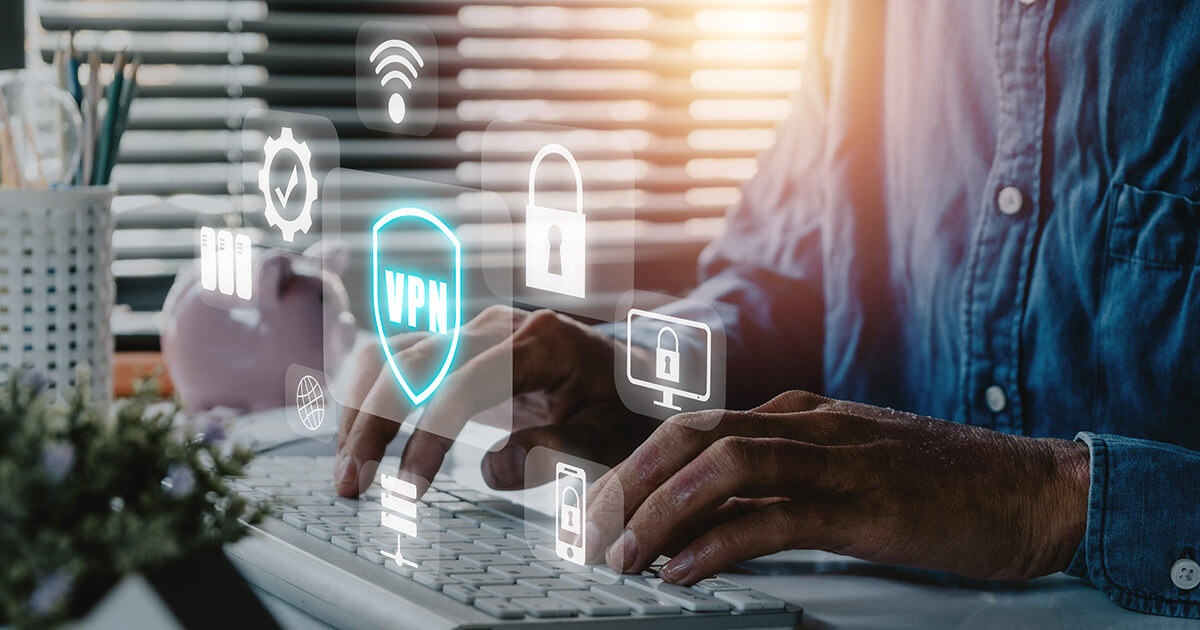
A VPN (Virtual Private Network) is a tool that encrypts your internet traffic and hides your activity from anyone who might be watching on the same...
When people think about cybersecurity, they usually think about their computer. Maybe their phone. Occasionally their home network.
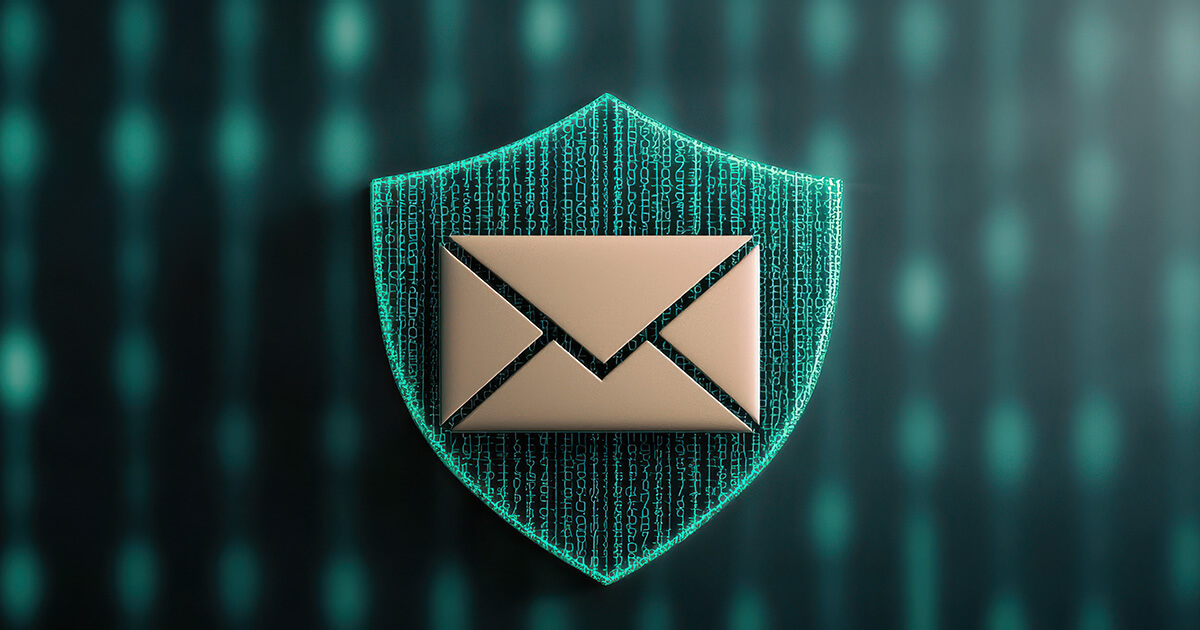
Almost nobody thinks about their email — which is exactly the problem.
Your email inbox is not just a place where messages land. It’s the master key to your entire digital life. And for most people, that key is sitting out in the open.
Think about what lives in your inbox right now. Bank statements. Notifications from your investment accounts. Emails from your attorney, your accountant, your financial advisor. Travel confirmations with your schedule and home address. Medical records. Legal documents.
Now think about this: if someone gained access to your email account, what could they do?
They could reset the password to your bank account — because the reset link goes to your email. They could access your investment platforms the same way. They could read years of correspondence with your advisors and learn everything about your financial situation. They could impersonate you convincingly, because they’d have the full context of your life sitting right there.
Your email isn’t one account among many. It’s the account that unlocks all the others.
Gmail. Yahoo. AOL. Hotmail. These platforms built their businesses on being free and easy to use. And they are. But free comes with tradeoffs that most people never stop to consider.
Free email platforms make money by knowing things about you. Your data — who you communicate with, what you talk about, what you buy, where you travel — has value to advertisers. That’s the exchange you agreed to when you signed up, even if nobody presented it that way.
More importantly for our purposes: free email accounts are high-value targets. Criminals know that most people use them for everything. Bank notifications. Financial correspondence. Password resets. They’re attractive precisely because so much sensitive information flows through them.
We call free email a honeypot. It attracts exactly the kind of attention you don’t want.
Here’s a conversation I have regularly. Someone tells me they don’t want to change their email because their whole life is there. They’ve had the account for twenty years. Every account, every contact, every important email is tied to that address.
I understand completely. That’s real. And I’m not suggesting anyone delete everything overnight.
But here’s the reframe: the fact that your whole life is there is the problem, not the reason to stay. The longer you’ve used a free account for sensitive communications, the more exposure has accumulated. Every bank statement that landed there. Every advisor email. Every password reset. It’s all sitting in an inbox that was never designed to protect it.
The good news is that making a change doesn’t have to happen all at once. It can be gradual and manageable — starting with the most sensitive accounts first.
When a bank notification arrives in your old inbox, that’s the reminder: this one should be going somewhere else. One account at a time.
A private, secure email account is built differently from the ground up. It isn’t ad-supported. It doesn’t mine your content. It’s designed with confidentiality as the starting point, not an afterthought.
For TDS clients, a private email is part of the foundational setup — not an optional upgrade. It’s where sensitive communications belong: financial correspondence, legal documents, anything you’d be concerned about if someone else could read it.
The shift doesn’t have to be disruptive. Most people find it more manageable than they expected once they’re guided through it. And the peace of mind that comes with knowing your most sensitive communications are actually protected is real.
Ask yourself these questions:
If the answer to any of those is a free account — Gmail, Yahoo, AOL, or anything similar — that’s worth a conversation.
It doesn’t mean a crisis is imminent. It means there’s a gap worth closing, and closing it is more straightforward than most people expect.
5 min read
A VPN (Virtual Private Network) is a tool that encrypts your internet traffic and hides your activity from anyone who might be watching on the same...

5 min read
If you work at a company with an IT department or if you’ve hired a local IT person for your business, you might feel like your cybersecurity is...
4 min read
Your financial advisor works hard to protect your investments. They research. They diversify. They monitor markets. They have teams, systems, and...