 Total Digital Security
4 min read
Fake Stores, Real Losses: What to Check Before You Buy This Holiday Season
The holiday season is when a lot of us do the most shopping online, often in a hurry, often on our phones, and often from stores we've never bought...
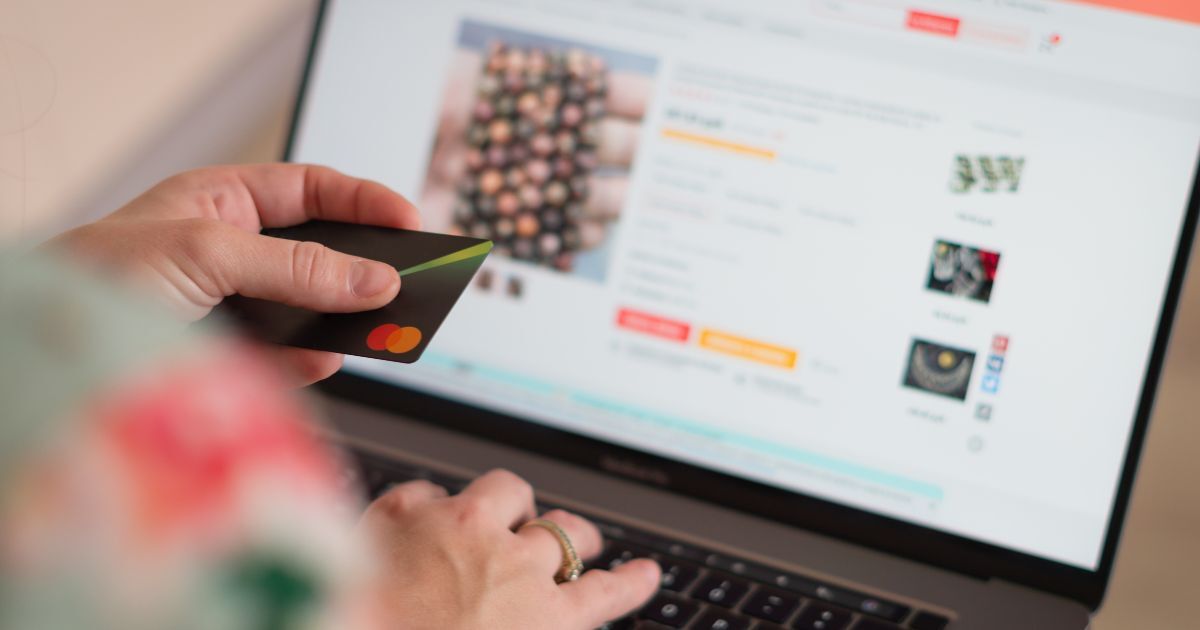
The holiday season is when a lot of us do the most shopping online, often in a hurry, often on our phones, and often from stores we've never bought from before.
Scammers know that. This is one of their busiest times of the year too.
It used to take real effort to build a convincing fake store. Today, AI can help someone put together a polished website in an afternoon: professional photos, product descriptions, glowing reviews, a checkout page that looks like any other.
Those stores show up in ads on social media, in search results, and in emails offering a deal that's hard to pass up. You pay, and the package never comes. Or worse, the card you used starts showing charges you didn't make.
The same goes for the text messages that arrive this time of year: "Your package couldn't be delivered. Click here to reschedule." Many of them are fake, designed to get you to enter your card number or personal information on a page that only looks official.
Before you buy, run through this list.
Before you click
Before you pay
When the delivery texts start
After the holidays
Even careful people get caught sometimes. If you think you've paid a fake store or entered your card on a fake page, act quickly:
There's no shame in it. These sites are built to fool smart people.
A lot of holiday shopping now happens on a phone, which means your phone is holding your cards, your accounts, and your email all in one place.
Online shopping isn't the problem. A few habits are all it takes to keep the season about the people you're shopping for.
If you'd like a second set of eyes on your devices and email before the holidays get busy, Total Digital Security is here to help. We've been protecting individuals and families since 2013, and when you call, a real person answers.

Watch for prices far below everyone else's, a web address that's slightly misspelled, no phone number or physical address, and stores you only found through a social media ad. When in doubt, type in the address of a store you already know.
Many delivery texts asking you to click a link or reschedule are fake. Real carriers don't ask you to pay a fee or confirm your card by text. Go to the carrier's website or app directly and enter your tracking number there.
A credit card is generally the safest choice because it usually offers stronger protection if something goes wrong. Avoid paying online stores with wire transfers, gift cards, payment apps, or cryptocurrency, since those payments are very hard to recover.
Call your card company or bank right away using the number on the back of your card, and ask them to stop the charge. Change the passwords for any accounts you used, starting with email, and watch your statements closely for several months.
AI makes it fast and cheap to build fake stores with professional photos, product descriptions, and reviews that look real. It also helps scammers write convincing emails and texts, so old warning signs like spelling mistakes are less reliable.
4 min read
The holiday season is when a lot of us do the most shopping online, often in a hurry, often on our phones, and often from stores we've never bought...

5 min read
If you run a professional practice, your clients trust you with some of the most sensitive information they have. Tax returns. Account numbers....

3 min read
AI assistants are getting remarkably useful. They can summarize a long email thread, draft a reply in your tone, find the attachment you were looking...